97 Victoria

Making Home at 97 Victoria

97 Victoria has been a gathering place for those who are experiencing homelessness, are at risk of homelessness. The Working Centre has operated projects and supports on site since 2006.
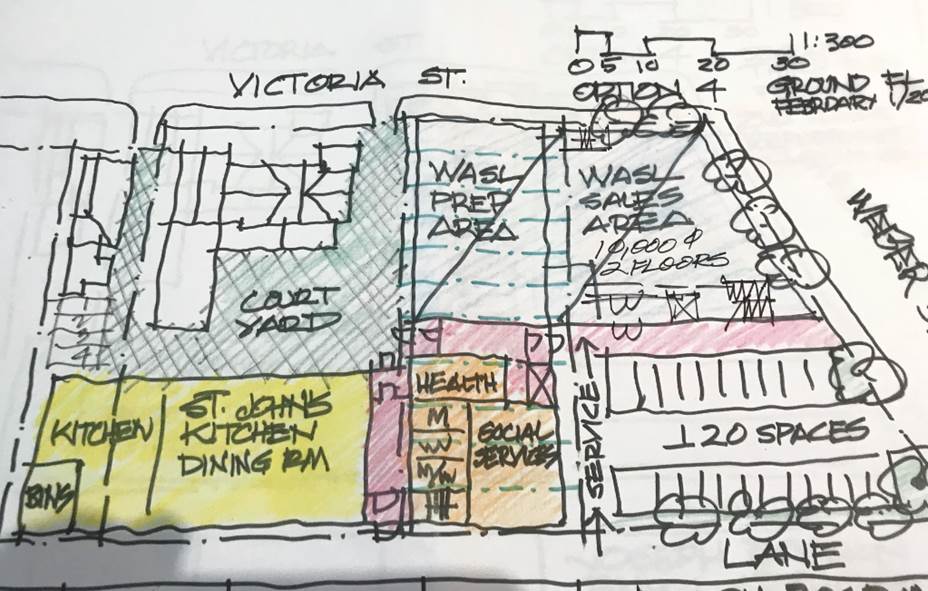
In recent years, a rise in homelessness, drug use and lack of co-ordinated supports required a new approach to meet the needs of a community in crisis. The Working Centre’s aim was to re-envision the 97 Victoria St. North site to focus on the combination of housing, health and community by supporting those most left out of services, and connecting people with mental health and addiction supports.
St. John's Kitchen

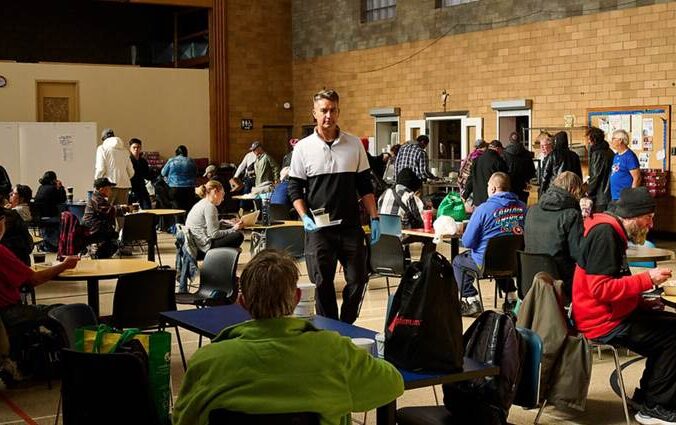
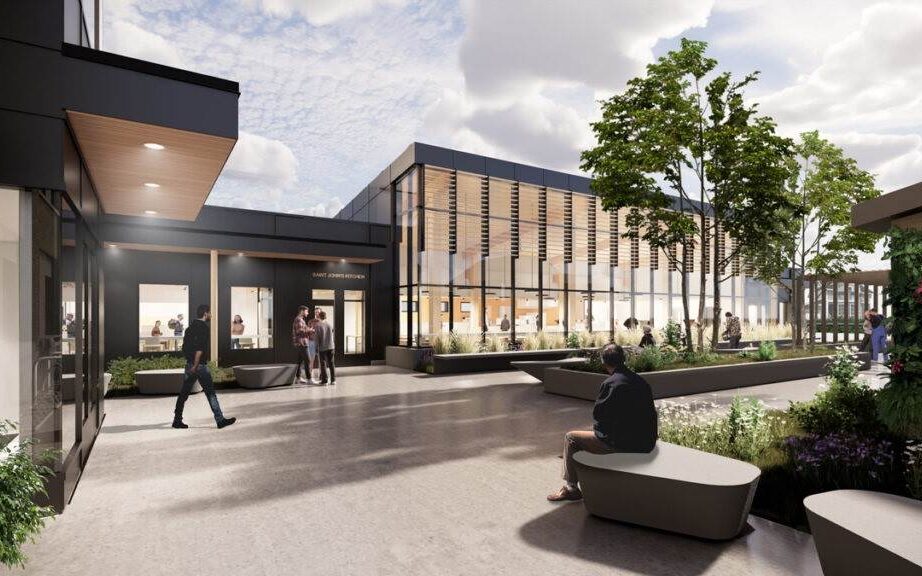
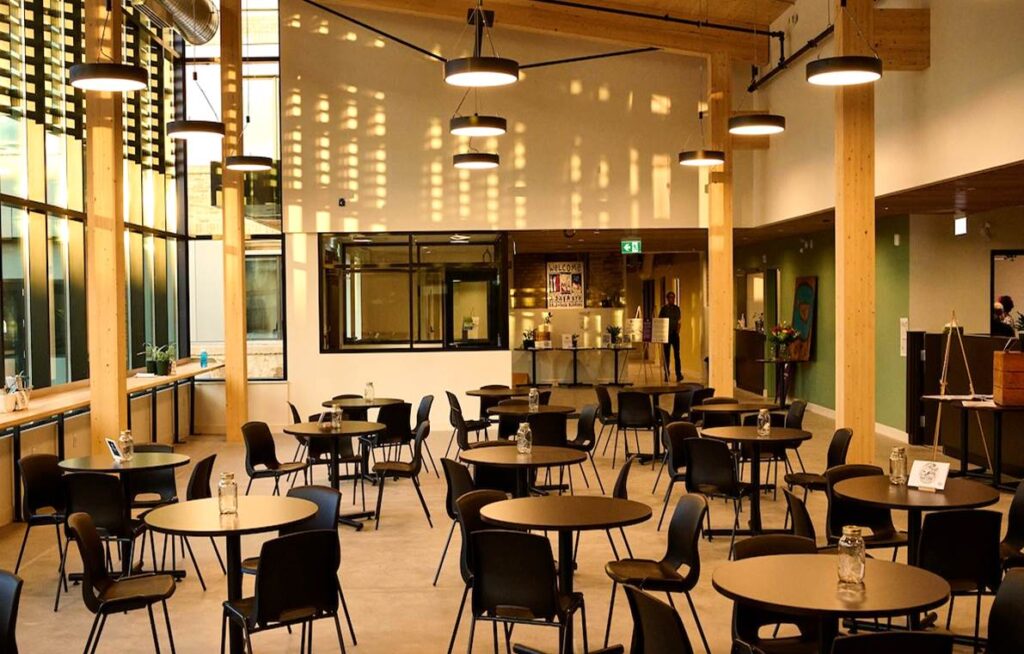
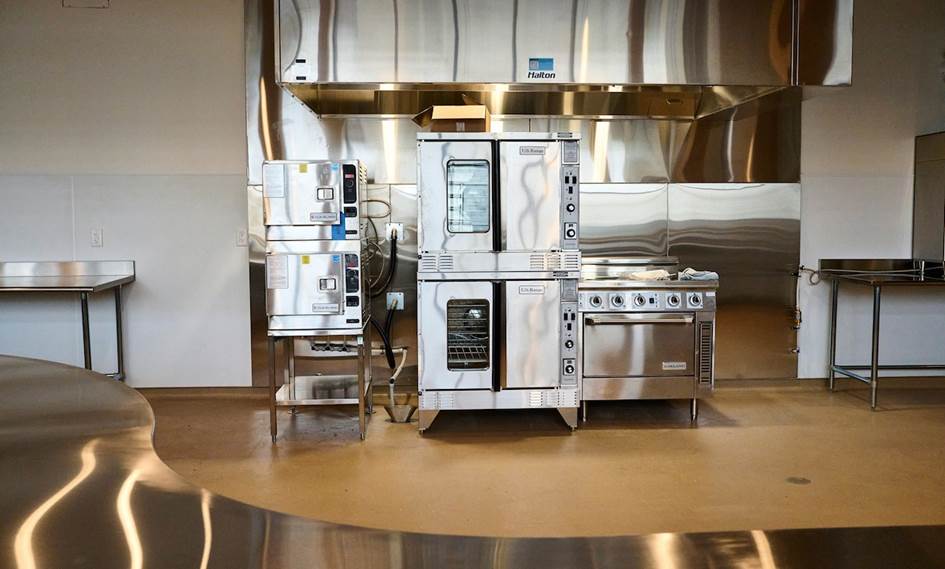
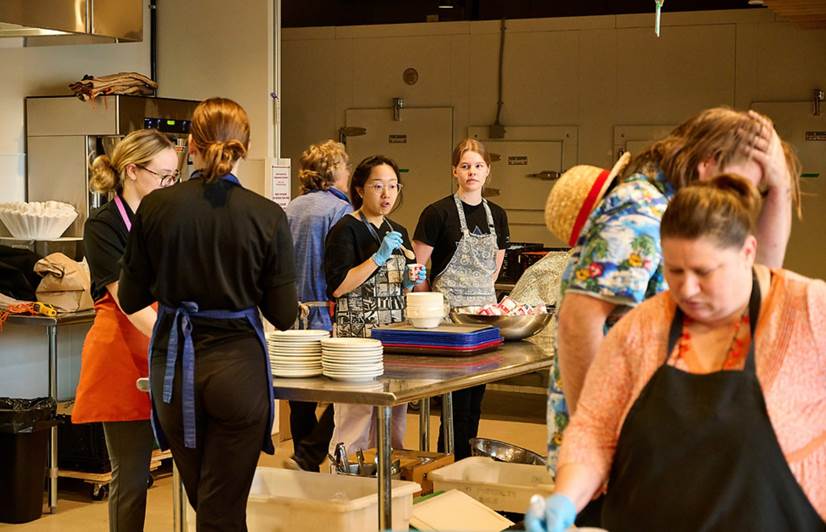
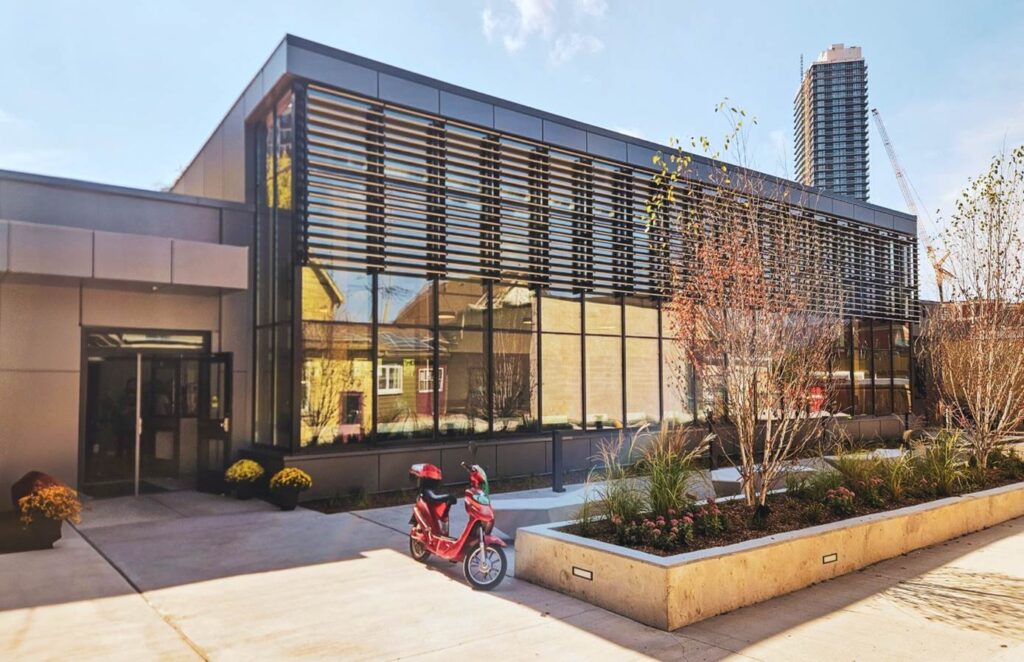
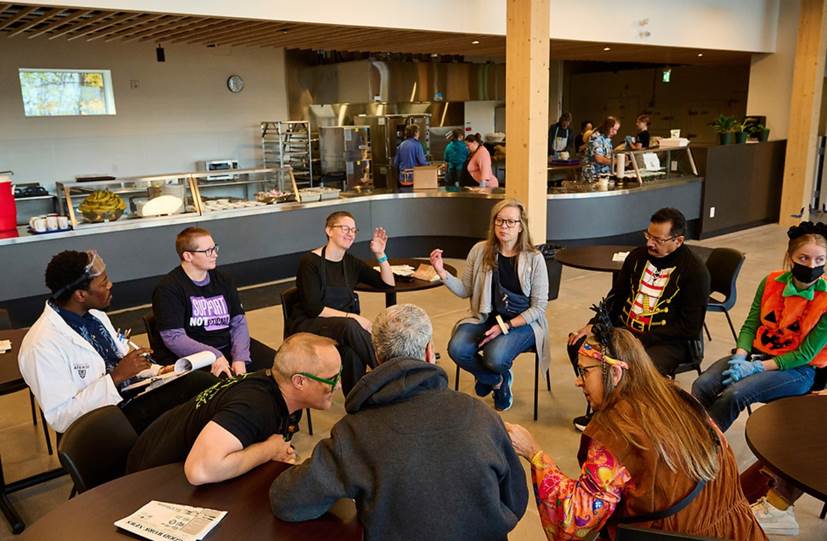
St. John’s Kitchen has been a hub of services for over 40 years. The newly built communal space will offer services and supports for up to 500 people a day, including a daily meal, hampers, showers, laundry, washrooms and access to a wide range of community supports.
Medical Clinic

An important part of the renovation project was building an expanded primary care clinic for timely access to health care. A 3,500 sq. ft. clinic space has the potential to develop many volunteer and health resources. The clinic will also form a base for our SOS and Street Outreach mobile outreach teams.

44 Units of Housing

Guided by a Housing First approach, units are designed to provide housing stability, supporting those experiencing homelessness to work through the realities of dislocation, addiction, and complex health issues.

The project builds on The Working Centre’s 40+ years experience in supporting people experiencing homelessness, dislocation, and poverty, and is embedded in a wide web of services and resources.

Centrally Located in Kitchener-Waterloo

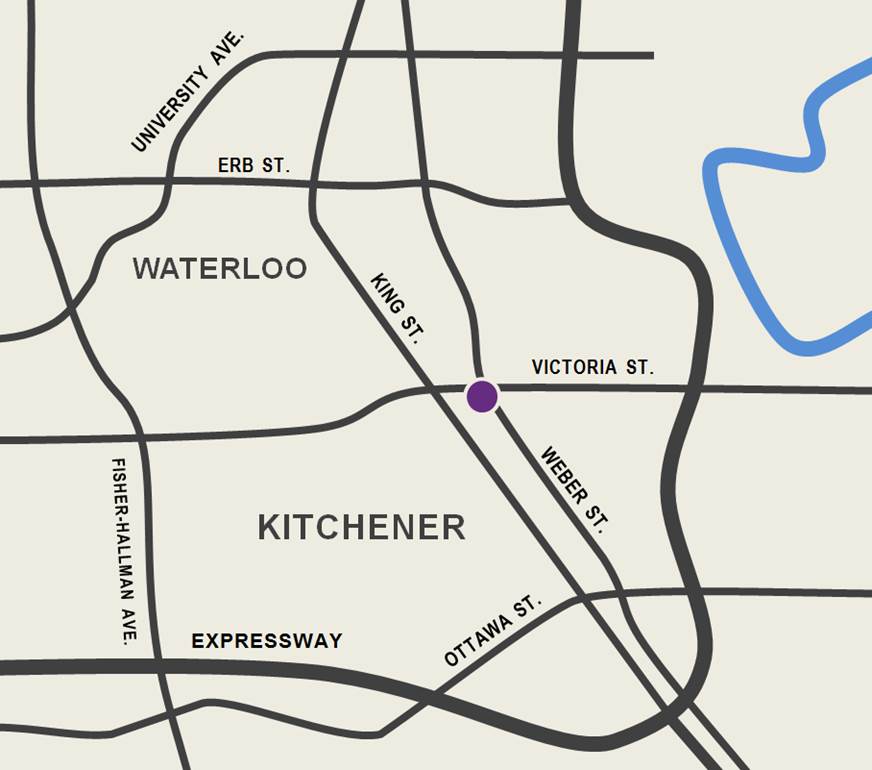
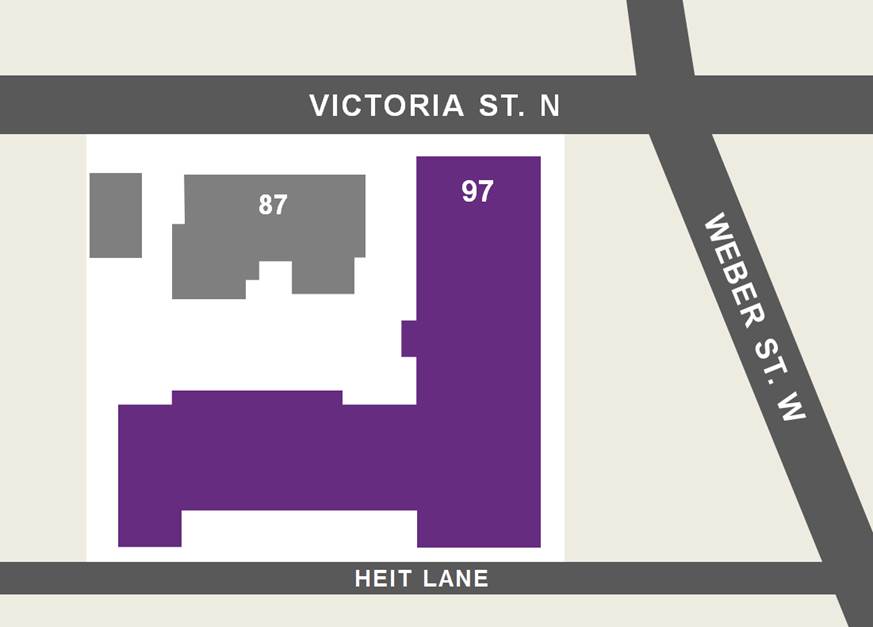
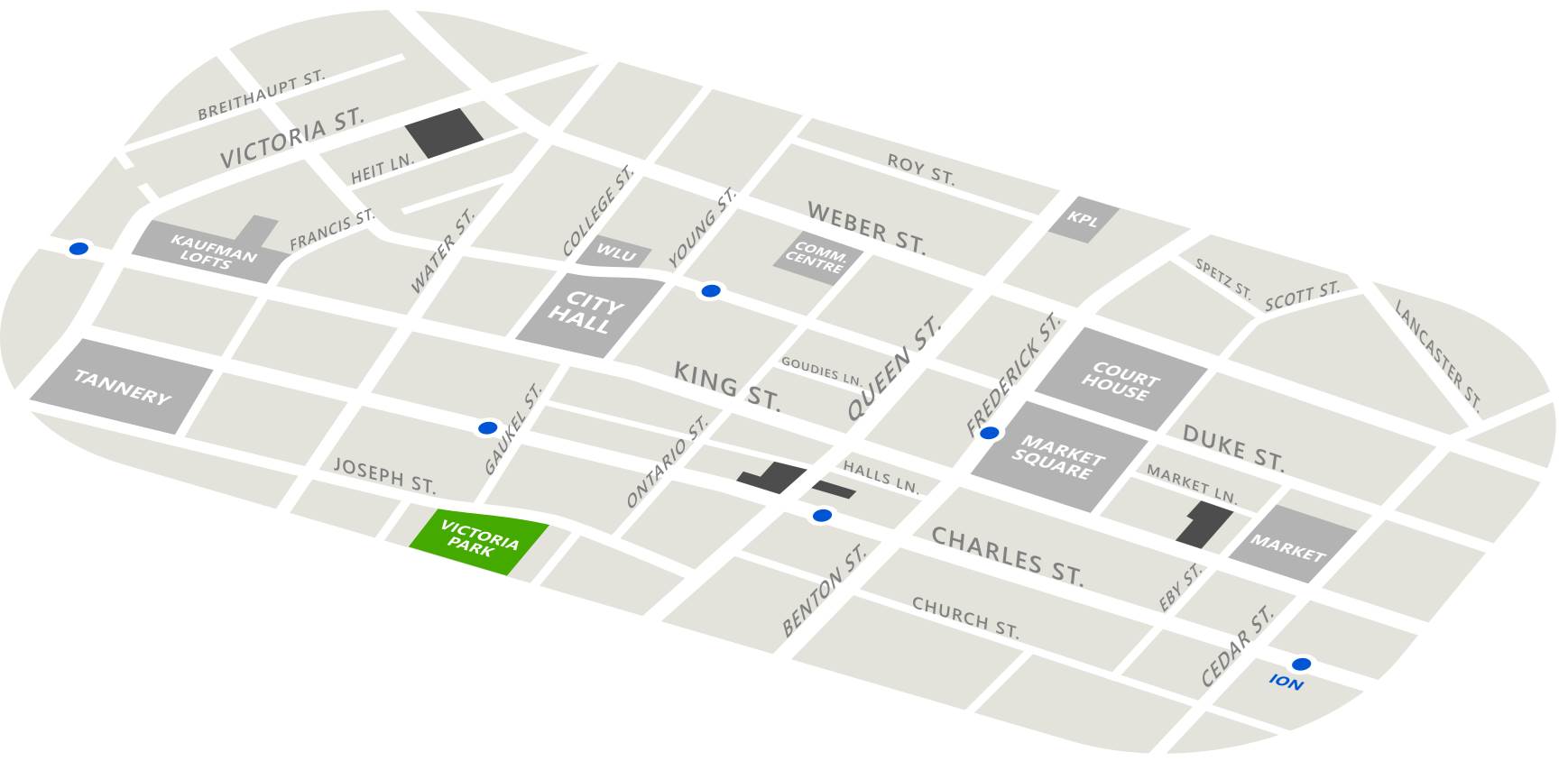
The 97 Victoria site near the intersection of Victoria St. North and Weber St. West is located on the outer edge of Downtown Kitchener. This central location along multiple transit routes helps patrons and visitors access supports.

The Working Centre operates several projects at Victoria St. North locations. Explore our virtual tour to learn more. 

Re-envisioning 97 Victoria

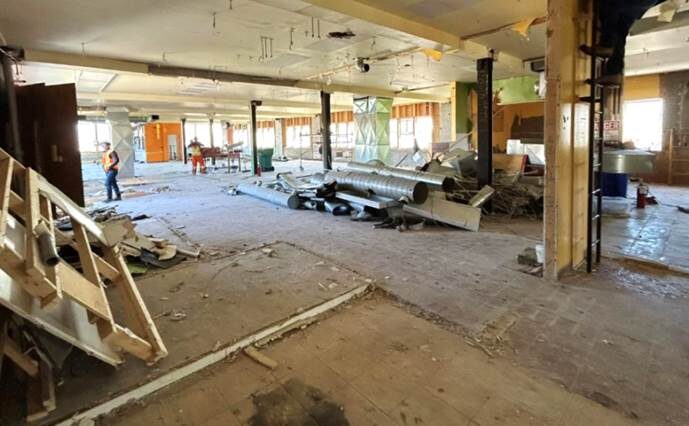
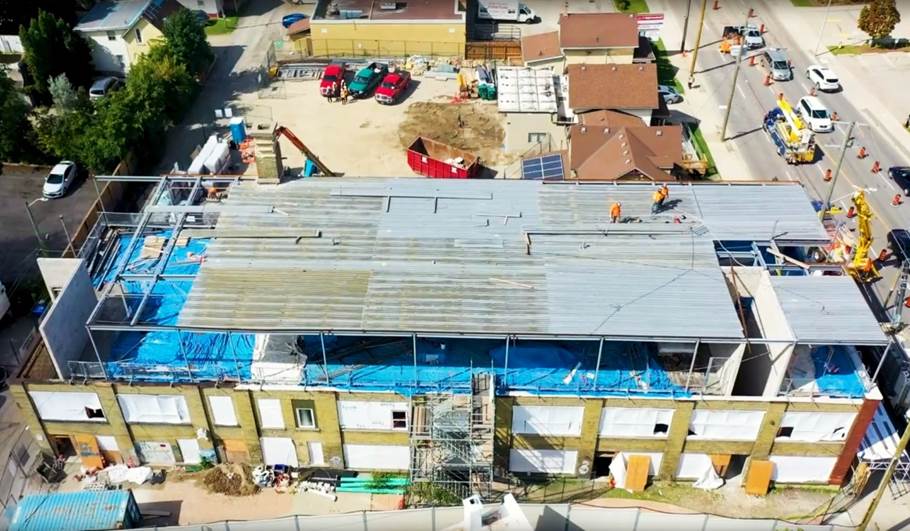
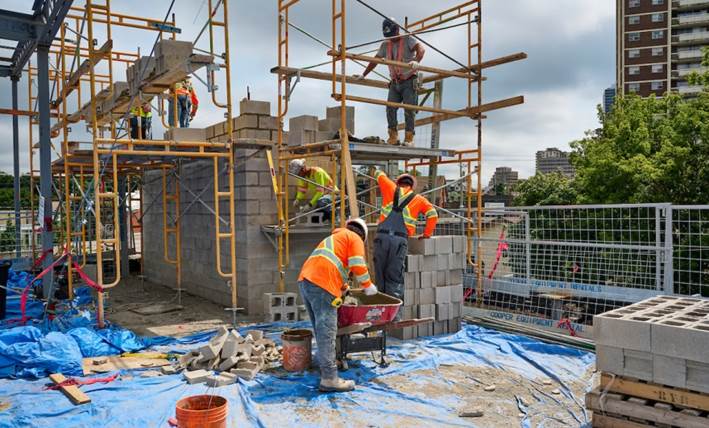
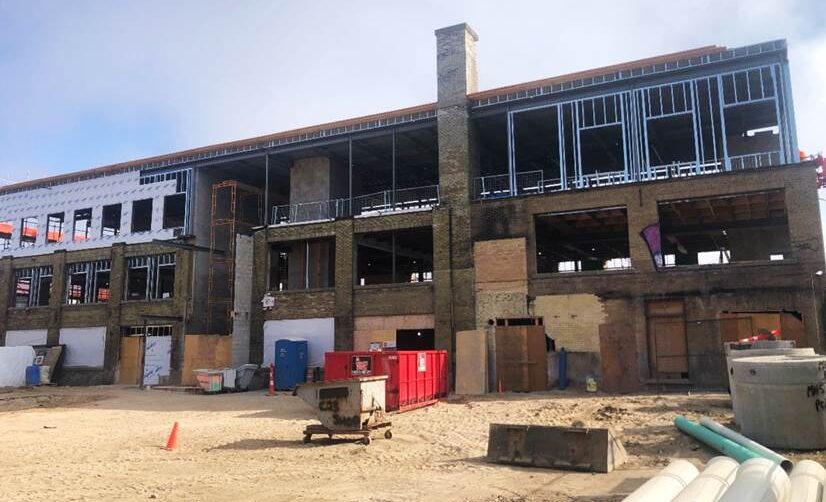
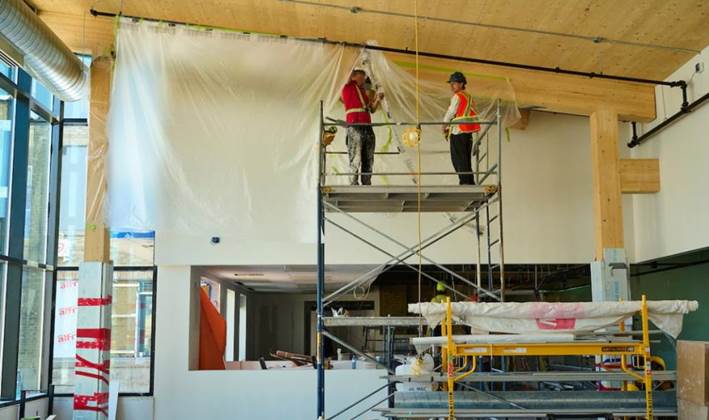
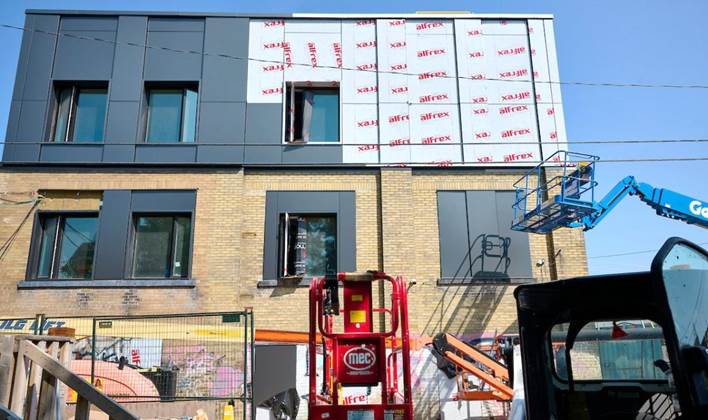
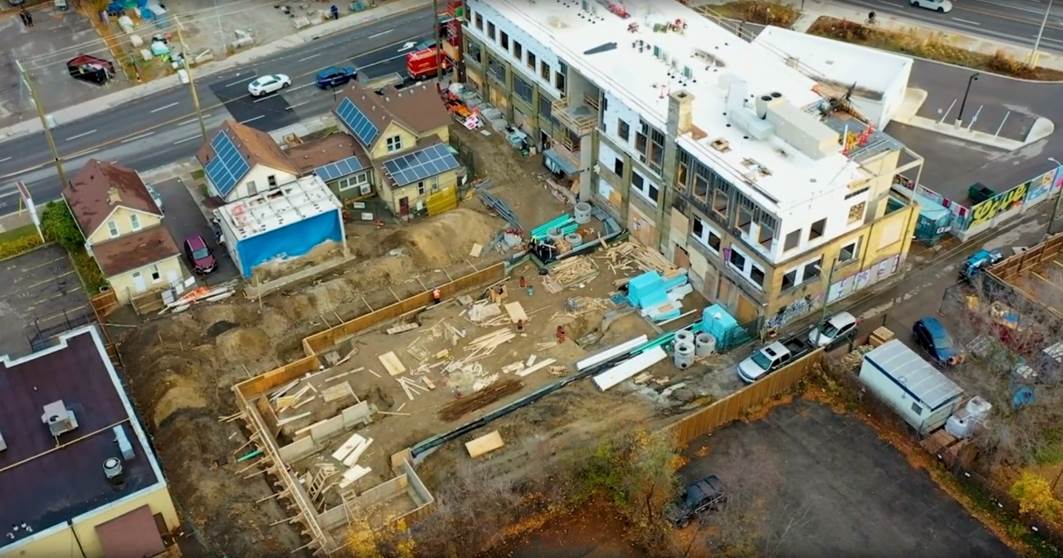
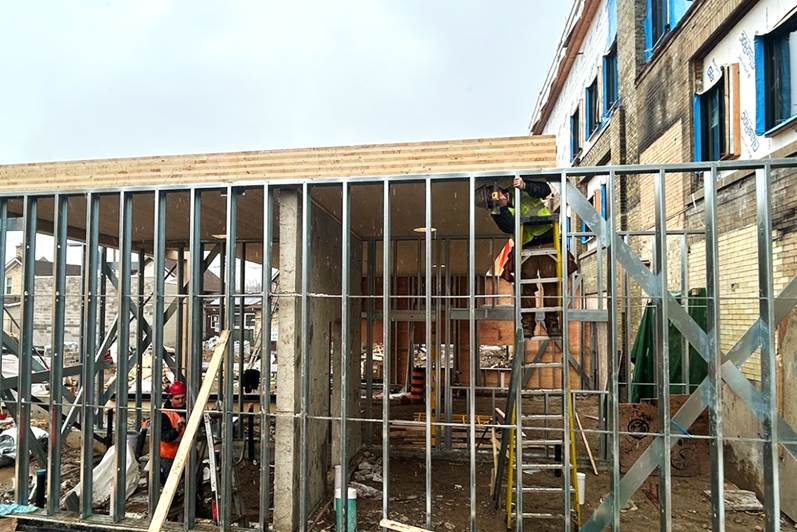
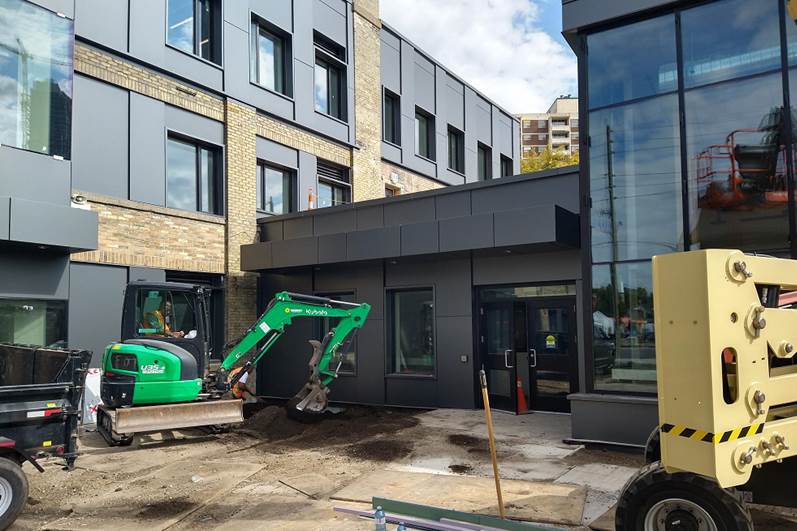
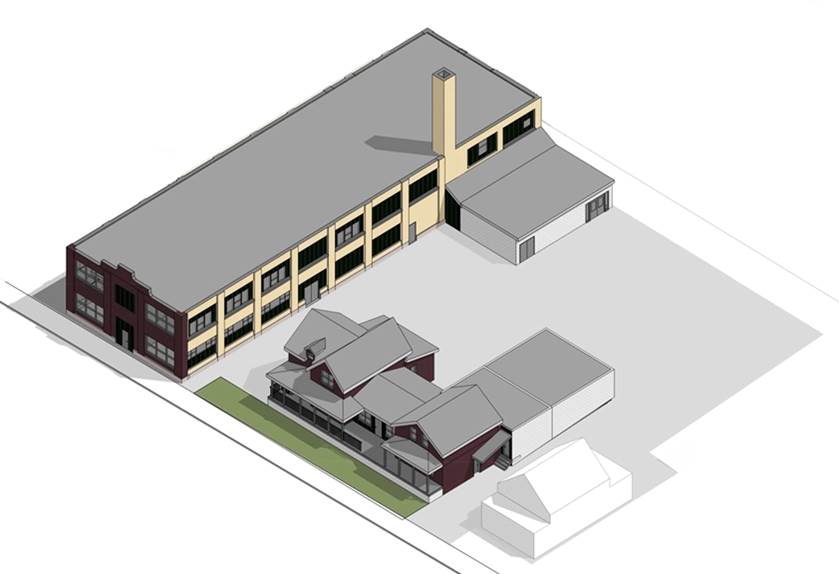
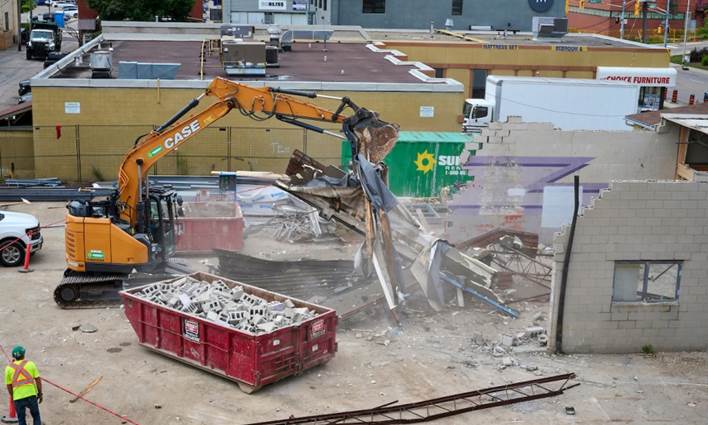
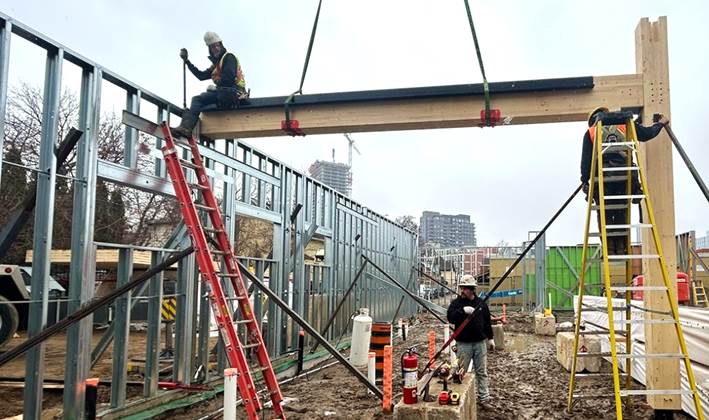
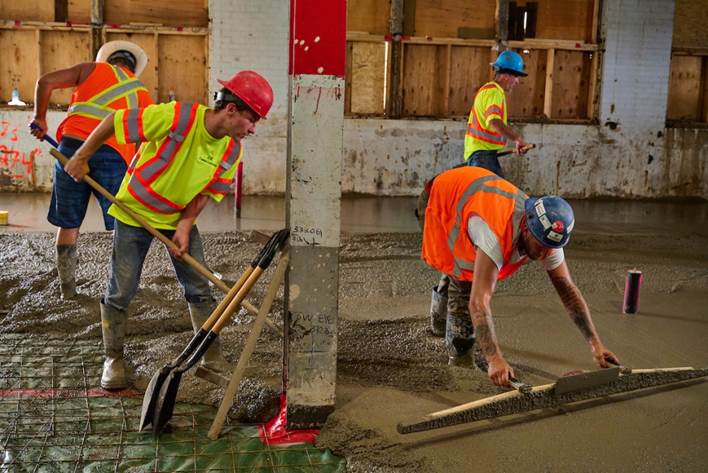
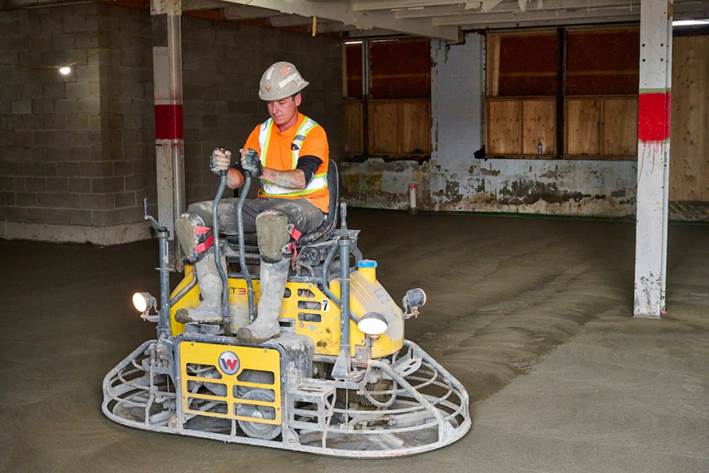
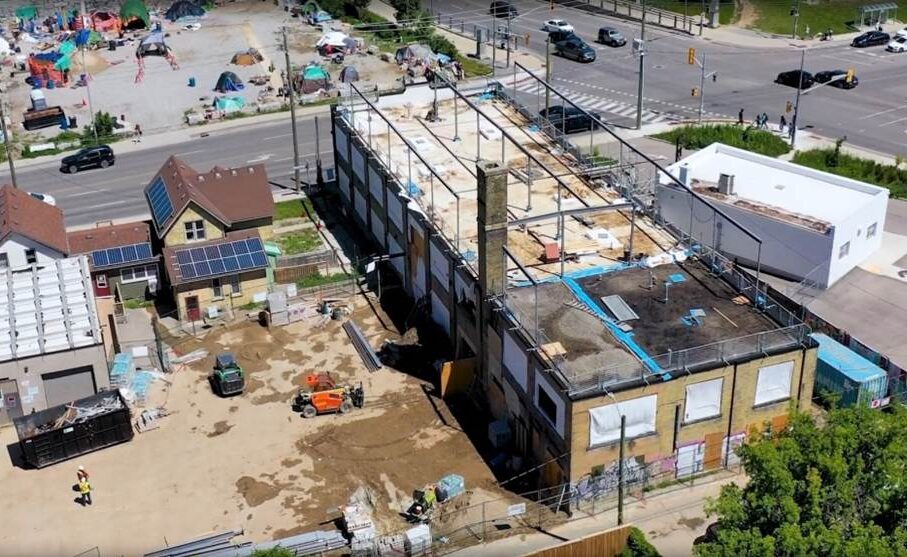
A factory building originally built in the 1920’s, 97 Victoria had several owners and occupants over decades. In 2005, The Working Centre purchased and renovated the building along with the adjacent 87 and 91 Victoria properties. In 2020, planning for the Making Home Project involved significant alterations to the building and the site.

Convert ground floor to new medical clinic

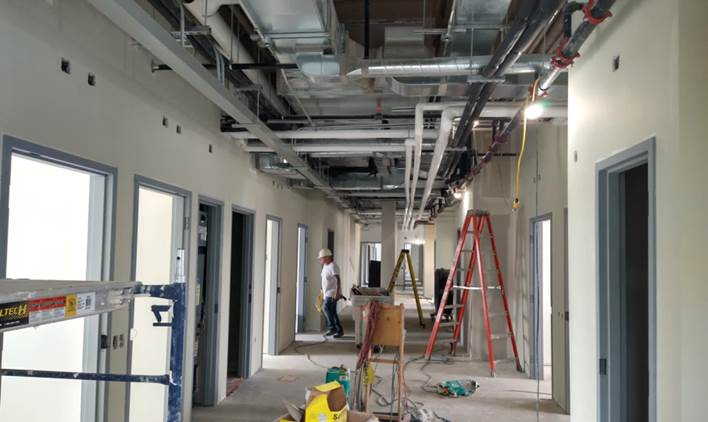
Convert St. John's Kitchen space on second floor to 22 units of housing

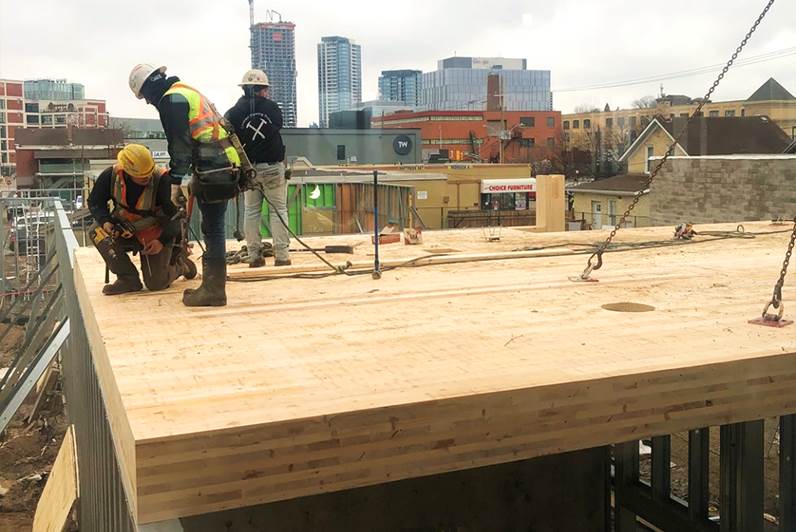
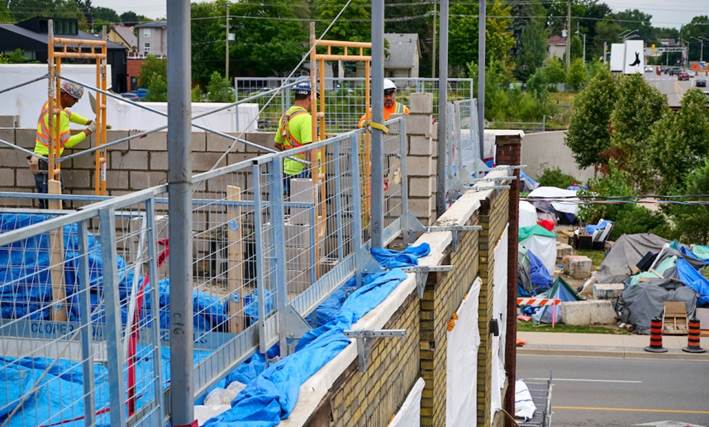
Construct third floor on existing building to add 22 more units of housing

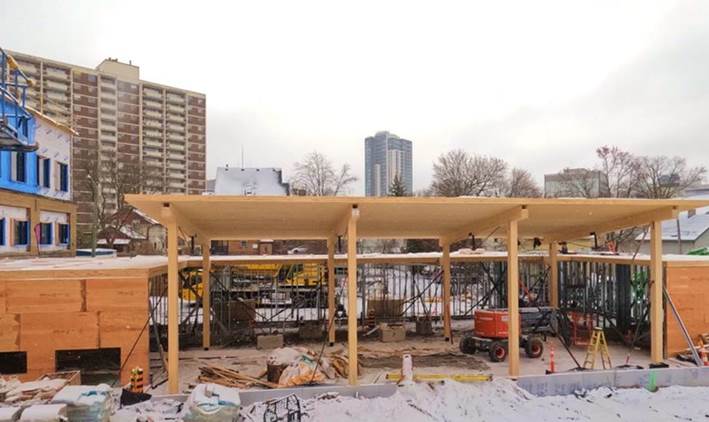
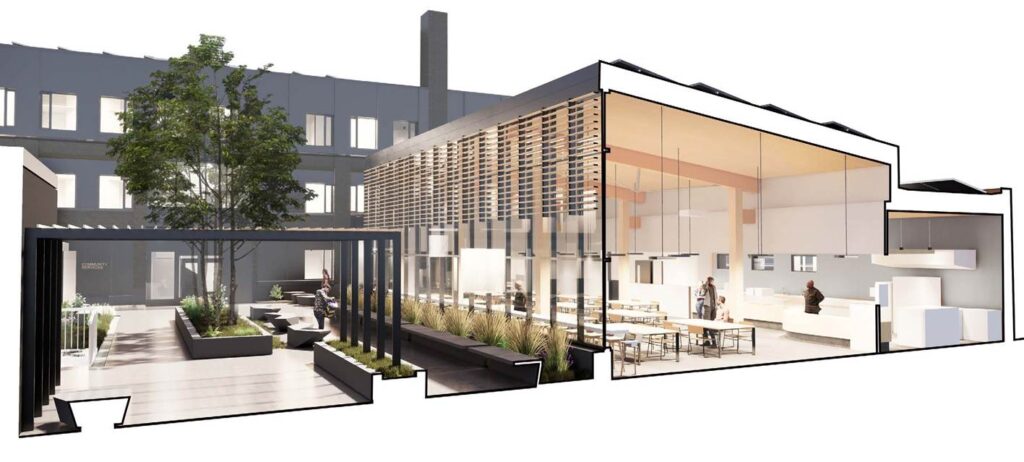
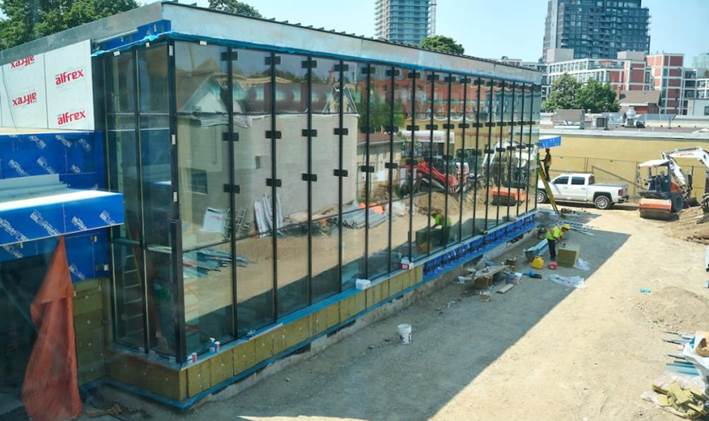
Construct new modern building for St. John's Kitchen

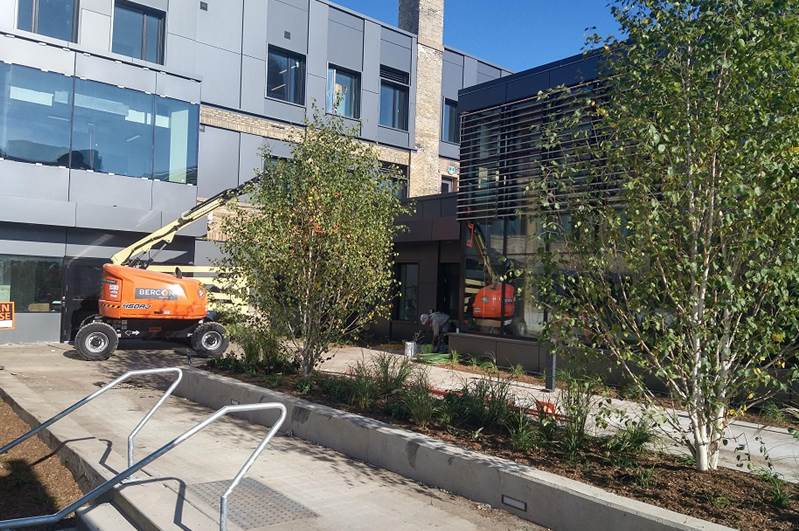
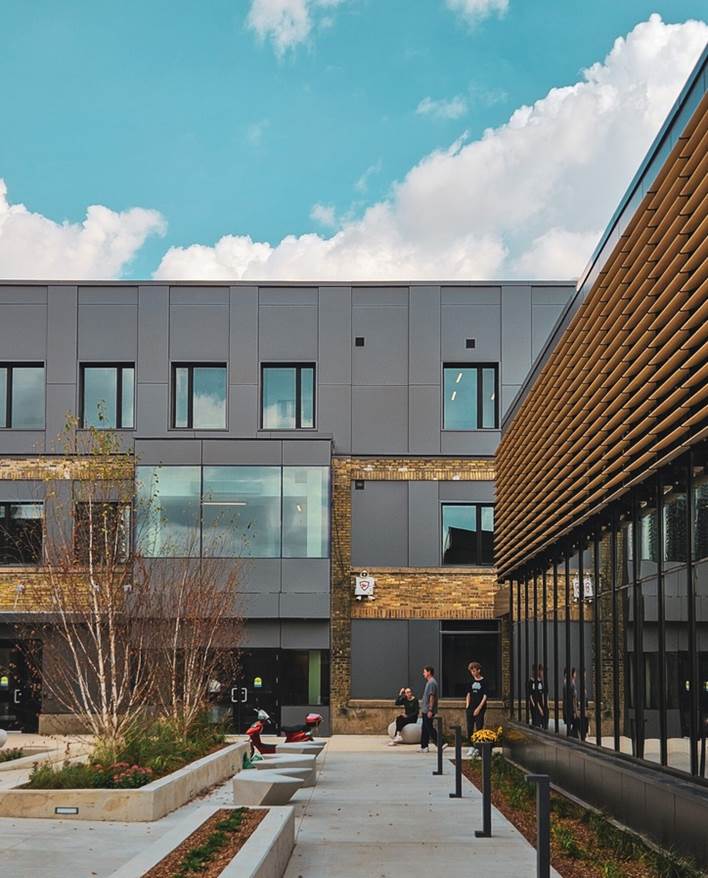
Build central courtyard that connects all spaces on site

Make renovations and upgrades to Hospitality House at 87 Victoria

Project Timeline

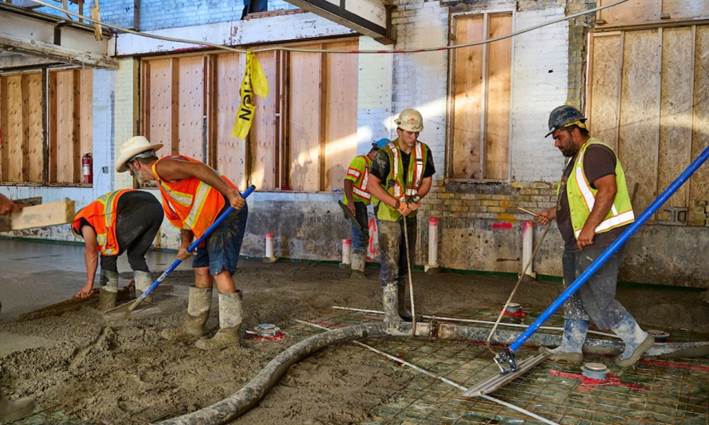
In October 2019, The Making Home Project began with a tour and inventory of Working Centre properties with David Gibson of Perimeter Development and Joe Bogdan of BNKC Architects. David and Joe drew out the plans to re-envision the site. Over the next six years the project would bring together teams of designers, engineers, construction crews, fundraisers, donors and community partners until being completed in September 2025.

Sustainability & Adaptive Re-Use

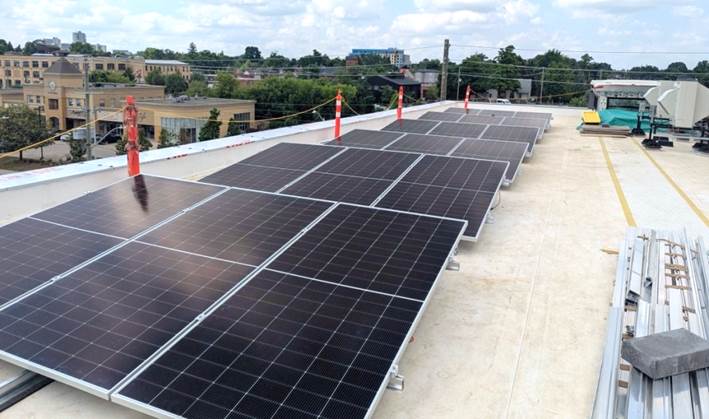
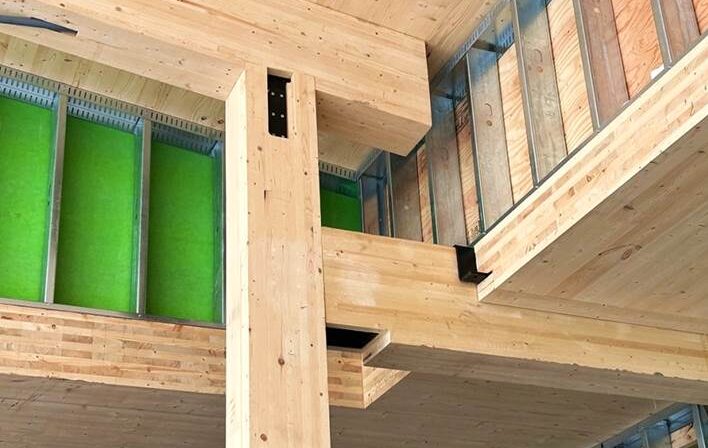
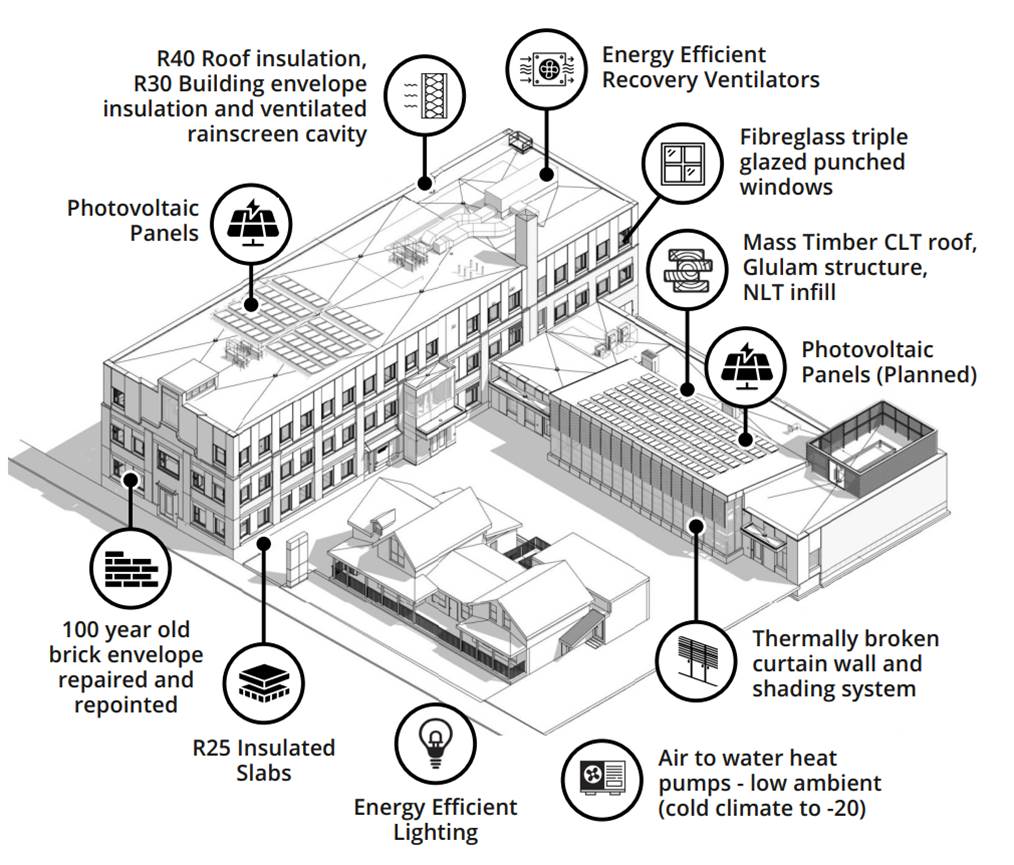
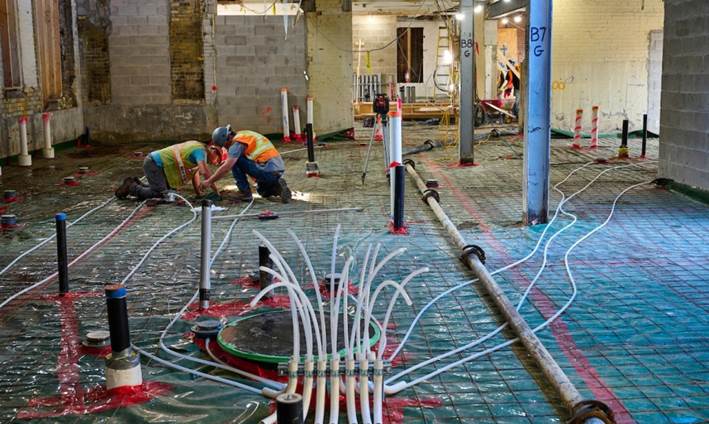
It was important to achieve several design goals in creating a sustainable building within an adaptive re-use project. This included minimizing the use of fossil fuels for a very high density and compact occupancy.

Adaptive and sensitive reuse of the warehouse building maintains the industrial aesthetic of the neighbourhood. In recreating the site, we followed conservation practices to ensure the heritage of the building was respected

Designed for Community

A primary design goal was to promote a sense of wellbeing and community. Through meticulous attention to detail and a thoughtful approach to finish selection, our architects have not only created a space that fulfills its intended function to a high standard but also succeeded in imbuing it with a warm and welcoming ambiance that truly feels like home.

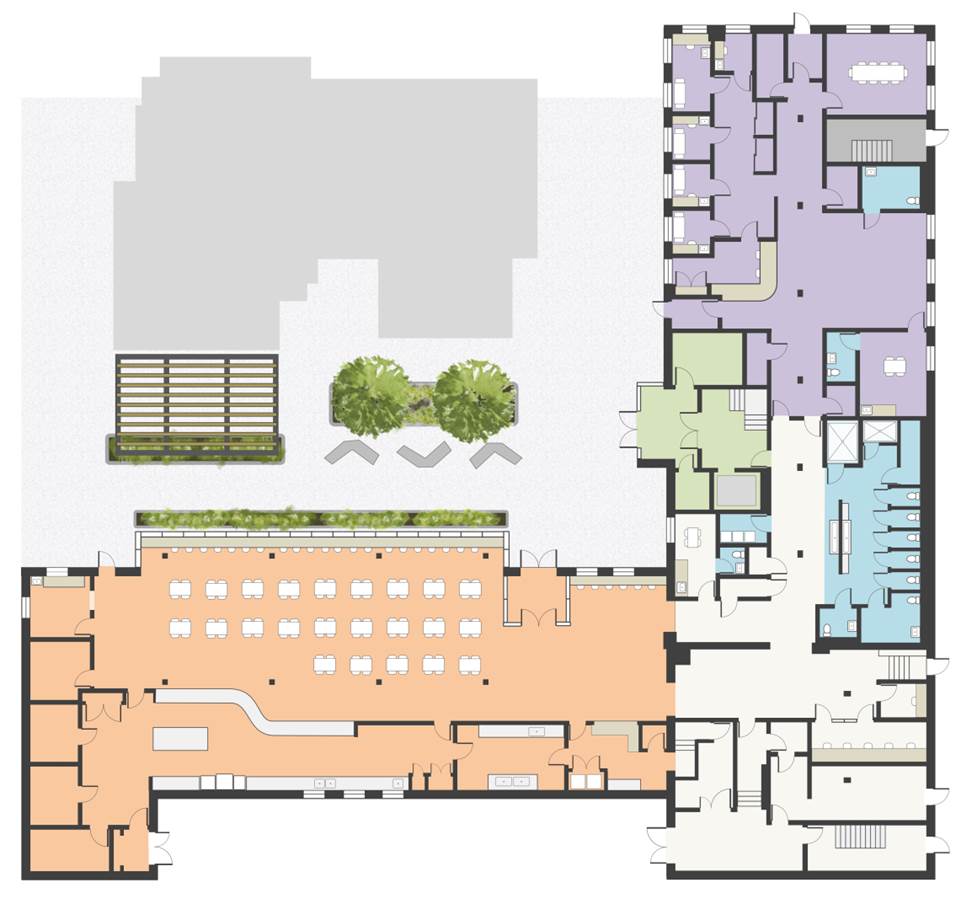
St. John's Kitchen

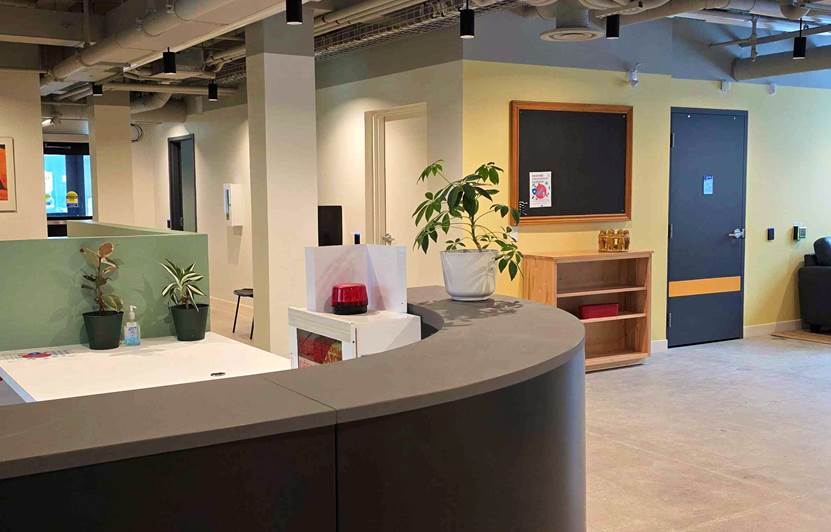
Large and open communal space for serving the daily meal and hosting community events

Medical Clinic

3,500 sq. ft. primary care clinic with exam rooms

Washrooms & Showers

Public access to washrooms, showers, and laundry facilities

Community Courtyard

Food Window

Patrons can pick up packaged meals, food boxes and other items

Housing Entry

Primary access to the housing units on the 2nd and 3rd floors.

Staff Area

St. John's Kitchen

Medical Clinic

Washrooms & Showers

Courtyard

Food Window

Housing Entry

Staff Area

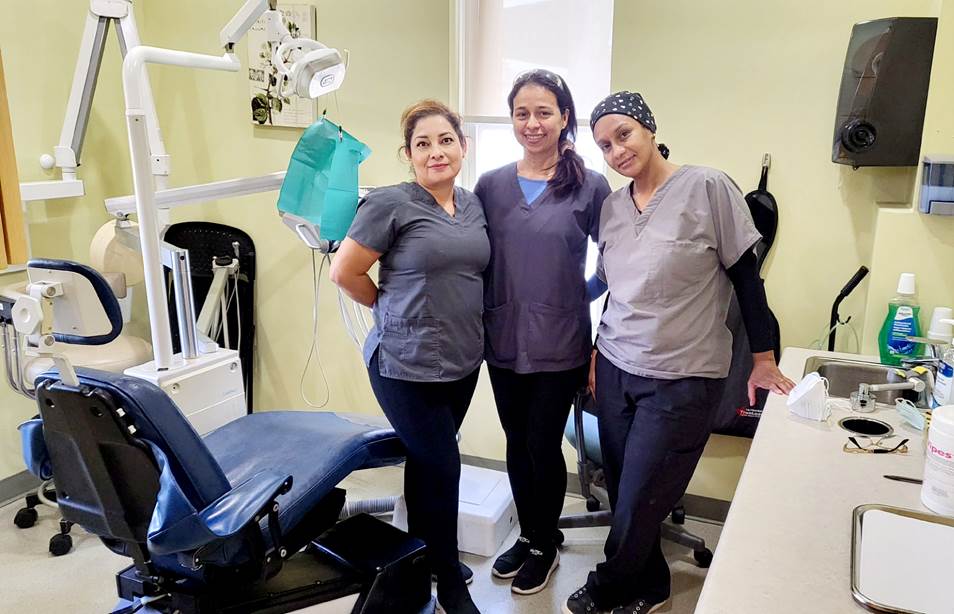
Three staff members of Community Dental pose for a photo in room of dental equipment and a dental procedure chair

Integrated Supports
The Working Centre hosts a web of population-focused care for people who are homeless or at risk of homelessness. Focusing on supports that are highly responsive, relationship-based and adaptive, we respond to the whole person. 97 Victoria is a community focused hub of an integrated network of supports.
Specialized Outreach Services (SOS)

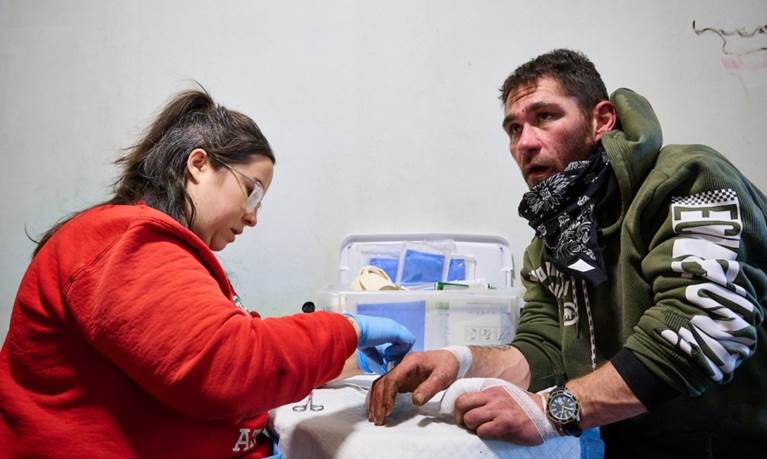
SOS is a mobile multidisciplinary team that supports around 1,000 individuals per year who are experiencing homelessness or are precariously housed in the community and experiencing medical, mental health or substance use concerns. SOS is designed to provide low barrier clinical care to individuals who may have difficultly accessing other traditional supports.
Integrated with SOS and supports people experiencing homelessness as they navigate the justice system, providing voluntary court support, system connections for bail and release planning, coordination with probation services, and outreach that supports overall stability to prevent recidivism.
Outreach teams that support over 800 people with basic needs, system navigation, supports for housing prioritization, income tax, ID, and access to healthcare; visiting encampments, motels, street, shelters, drop-ins, community kitchens. We work strategically to know the people who are experiencing homelessness or precarious housing, building relationship, connecting people to services.
Operates with the help of volunteer dental professionals and works to build a respectful and non-judgemental environment. The clinic provides free patient-directed care and access to a full range of preventive, diagnostic, and restorative services for those who are typically only able to receive emergency dental care. 

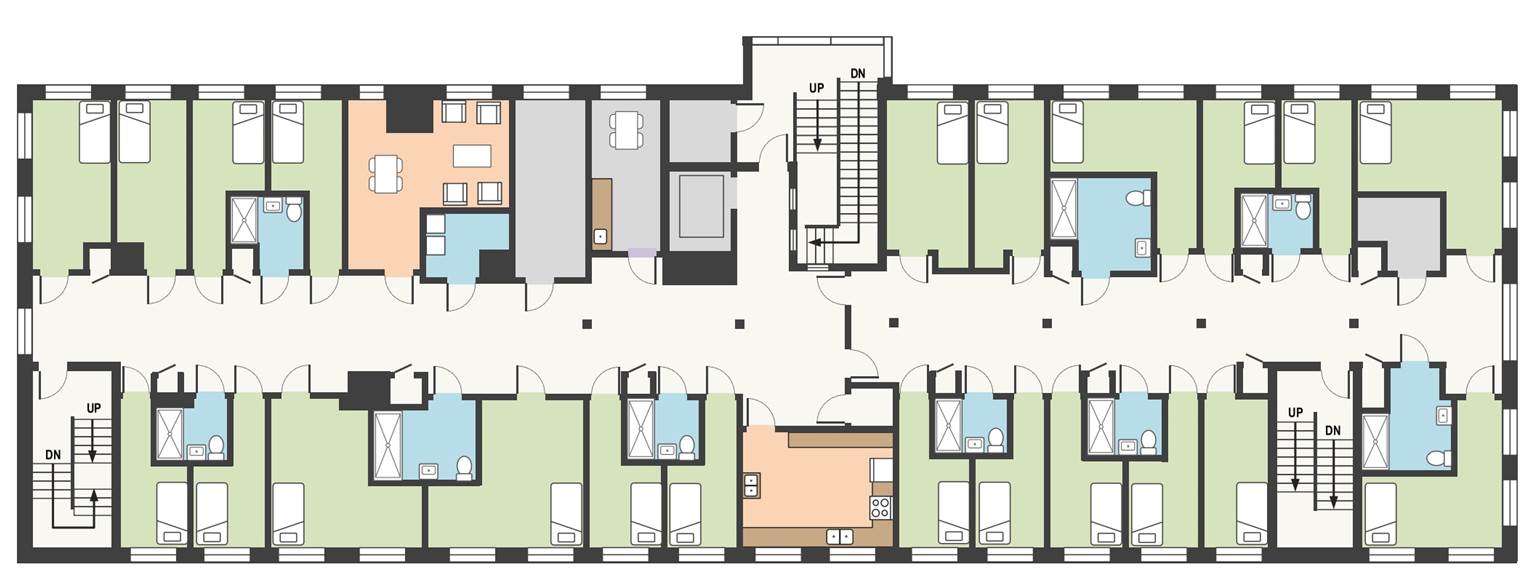
The custom-built and designed housing model has worked with the ingenuity and resources of our partners, building an integrated model of common spaces that will help generate roots and connectedness.

Private Bedrooms

44 bedrooms are located on two housing floors

Accessible Design

Multiple rooms on each floor are designed for those with accessibility needs

Washrooms & Showers

Residents share 3-piece washrooms

Communal Spaces

Multi-purpose rooms that promote connection and community

24/7 Staff Support

Staff are on-site to manage daily operations and assist residents

Servery

A small community kitchen for residents to access meals, snacks and drinks

Laundry

Laundry facilities are available on each floor

Over two years, the Making Home Campaign raised $22 million in an amazing mix of $12 million in government grants and $10 million in community donations from over 300 different contributions

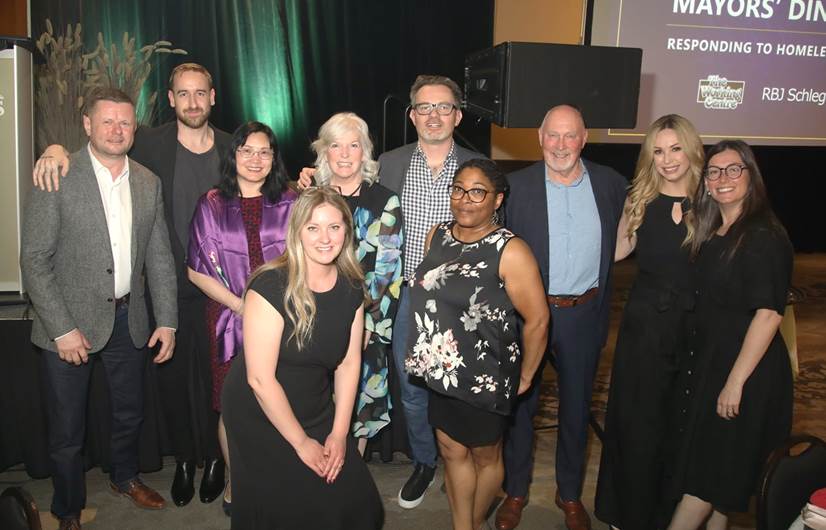
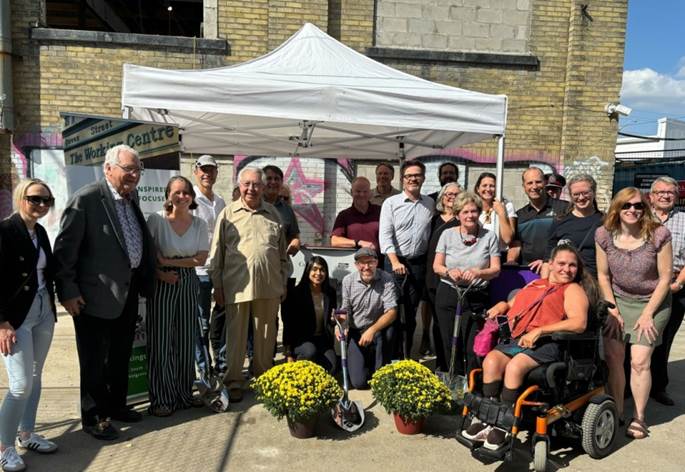
Community Support for Making Home

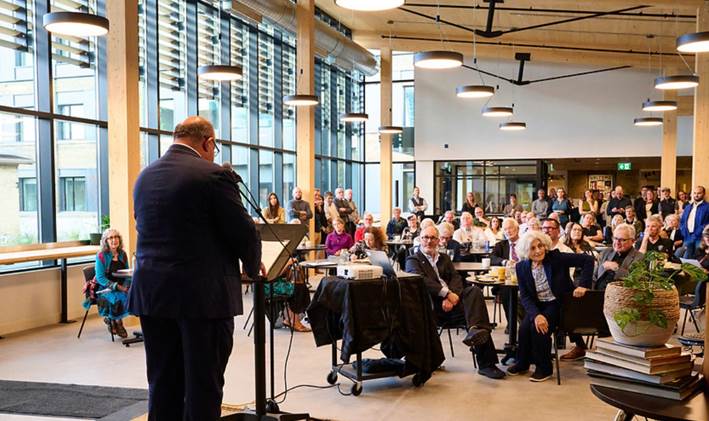
The Making Home Project could not have been a success without the generous support of many donors, contributors and community partners.

David Gibson from Perimeter Development and BNKC architect Joe Bogdan.  Perimeter Development stood as a key corporate partner in this endeavor, shepherding the design and construction, and was the key first donor ($1 million), inviting other donors to contribute.  

Waterloo Regional Council’s decision to support this project with $9.8million through the Rapid Housing Initiative. 

Bishop Douglas Crosby and the Roman Catholic Diocese of Hamilton committed $1.5 million commitment to the project.

Other major donors included the Lyle S. Hallman Foundation ($2 million); Savvas Chamberlain Family Foundation ($1 million); Auburn Developments ($1 million)

$12 Million in Government Grants

Rapid Housing Initiative 3 – Government of Canada & Region of Waterloo

Green and Inclusive Community Building – Government of Canada

Ontario Trillium Foundation

Federation of Canadian Municipalities – Green Municipal Fund

Enabling Accessibility Fund – Government of Canada

$10 Million in Community Donations

Lyle S. Hallman Foundation

Diocese of Hamilton

Perimeter Development

The Savvas Chamberlain Family Foundation

Auburn Developments

Cowan

Fairmount Foundation

Definity Insurance Foundation

Mike & Kelly Peasgood

Strassburger Windows and Doors

Vive Development & Woodhouse Group

Bob & Judy Astley

BNKC Architects

Janzen Foundation

Krug Furniture

Midtown Counselling & Midtown Rehab

MTE

Wells Resolutions

Anne & Grant Roberts

Audi – Crosby Volkswagen

Joseph Balan & Associates at Co-operators

Doon Presbyterian Church

Paul & Janet Dullaert

Randall Howard & Judy McMullen

Libro Credit Union

Marlene Epp & Paul Born

Debbie Lowes

Margaret Motz

Ontario Realtors Care Foundation

Unifor Social Justice Fund

Peter Woolstencroft

255 donors who together contributed $100,000

Contributing Project Partners

BNKC Architects

Delta Elevator

Govan Brown

MTE

Perimeter Development

Strassburger Windows and Doors

Support community building work at 97 Victoria

Site Menu

The Integrated Circle of Care is a fluid and collaborative approach followed by workers from different agencies weaving through St. John’s Kitchen. Within this approach, staff members from each agency are aware of their specific personal roles. However, the high level of collaboration between workers means that people can approach any worker, without knowing their agency association or specific role, and still receive support – either that worker will support the person directly, or they will introduce the person to another worker who can support the person more appropriately.

This approach makes relationships more natural and support more accessible. Workers from different agencies are easily approachable, meaning that people build relationships with multiple workers. Having relationships with different workers is important to a person’s support – it makes support from a trusted source easy to find, and means that people have a choice of worker to approach in any given situation.

In order to maintain a circle of care around a person, workers from different agencies ask for consent from the person for information to be shared between workers. Continuous communication between workers helps to ensure that people do not fall into gaps between services, and also that services are not duplicated.